
 English
 Russian
 Portuguese
 Arabic
 Bangla
 Indonesian

New Breakthrough in PE Separator Technology
- By: JinHan
- Mar 23,2026
follow us
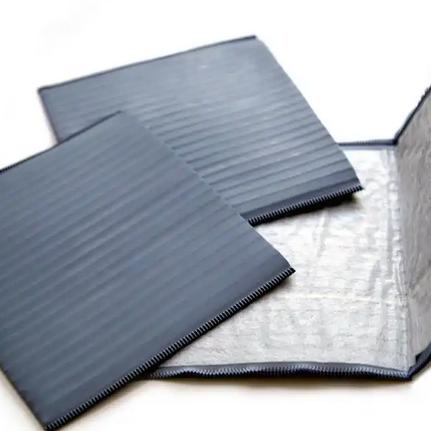
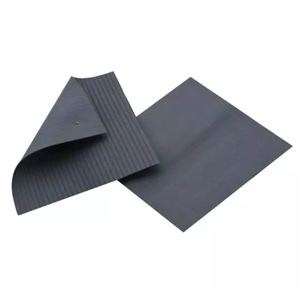
The lead-acid battery industry is undergoing a pivotal technological upgrade, with breakthroughs in polyethylene (PE) separator materials emerging as a key catalyst for industry progress. Leading manufacturers and research institutions have unveiled innovative PE separator designs, delivering tangible enhancements in battery performance, durability, and safety.
PE separators, as the core component separating positive and negative plates in lead-acid batteries while enabling ion conduction, have seen remarkable optimizations in their microporous structures. The new-generation PE separators adopt refined pore-size distribution and surface modification technologies, effectively reducing internal resistance and boosting electrolyte retention capacity. Laboratory data shows that, under standard test conditions, lead-acid batteries equipped with these advanced separators can achieve a cycle life increase of 20%-25% compared to those using traditional separators — a result verified by multiple third-party testing institutions.
In the automotive sector, where start-stop technology is widely popularized, the demand for high-performance lead-acid batteries continues to rise. The enhanced PE separators maintain stable structural integrity even during frequent charge-discharge cycles, effectively addressing the issue of rapid capacity decay in traditional batteries. Meanwhile, in the energy storage field, PE battery separators help reduce the overall volume and weight of lead-acid battery packs, improving their adaptability to distributed energy storage scenarios.Environmental sustainability has also become a core driving force behind PE separator innovation. Major manufacturers are accelerating the R&D and application of recyclable PE materials, while optimizing production processes to cut energy consumption. These efforts align with global carbon neutrality goals, ensuring the cost-effectiveness and environmental friendliness of lead-acid batteries in competition with other energy storage technologies.
Market research indicates that the global demand for high-performance PE separators is projected to grow at a compound annual growth rate (CAGR) of over 12% in the next three years, with developing economies leading the growth. As research focuses on ultra-thin PE separator designs, the industry is expected to further elevate the energy density of lead-acid batteries while upholding safety standards.
--End--
-
 Yang Du Senior Engineer | Storage Battery Expert
✓ 28 years of experience in storage-battery separators
✓ Expert in PE separator production and testing
✓ Senior Manager at CTMT
✓ B.Eng. in Chemical Engineering, Hebei University of Technology
✓ Managed PE separator cooperation projects with Exide, Enersys, JCI
-
 Hong Chen Standardization Expert | Youth Entrepreneurship Tutor
✓ Vice Chairman, China Physical Chemistry Power Industry Association
✓ Zhejiang "Ten Thousand Talents" Leading Talent
✓ 80+ national patents / 20+ monographs
✓ Contributed to 10+ international & national standards
✓ National Sci-Tech Progress Award (3rd prize) -
 Xianzhang Wu Senior Engineer | Energy Storage Expert
✓ Vice Chairman, China Physical Chemistry Power Industry Association
✓ Zhejiang "Ten Thousand Talents" Leading Talent
✓ 80+ national patents / 20+ monographs
✓ Contributed to 10+ international & national standards
✓ National Sci-Tech Progress Award (3rd prize) -
 Guangjun Zang Senior Engineer | Lead-Acid Battery Expert
✓ 35 years in lead acid battery industry
✓ Expert in battery materials, design and engineering
✓ Technical Project Leader for NT AGM VRLA batteries
✓ Specializes in tubular battery R&D and quality control
✓ Supplies technical support to domestic battery manufacturers
-
 Fang Liu Senior Manager | Bilingual Expert
✓ 23 years of in-depth experience in English translation
✓ Master's in TESOL, University of South Australia
✓ Skilled in cross-border client communication & technical translation
✓ Former senior teacher & US visiting scholar
✓ Experienced in employee management and team building
-
 Wei Shan


