
 English
 Russian
 Portuguese
 Arabic
 Bangla
 Indonesian
Cheaper Separators Save Pennies. Warranty Claims Cost Dollars.
- By: JinHan
- Aug 10,2026
follow us
Click HERE to view our products!
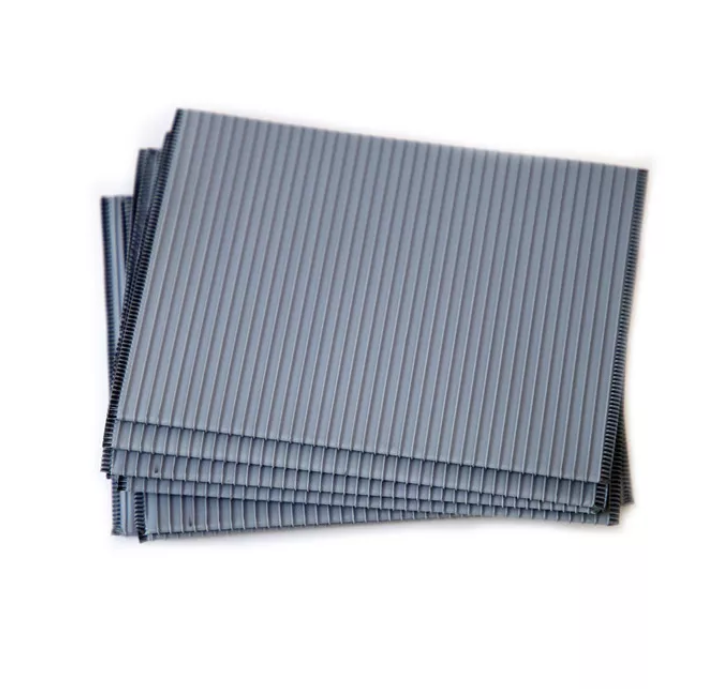
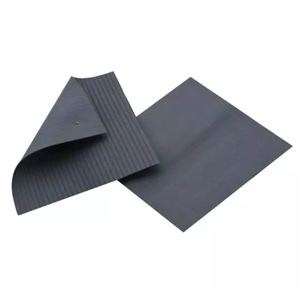
Spend enough time in the battery industry and you start noticing a pattern: a lot of manufacturers save money on separators, then lose money on warranty claims.
These two numbers are rarely looked at together. The purchasing department tracks separator price per square meter. The quality department tracks customer complaints. They don't talk to each other. So the money gets spent twice.
Where do the cost differences actually come from?
The cost differences come from a few places. They don't show up on spec sheets. They show up in warranty reports.
Pore size uniformity. This is the biggest cost divider. Separators with tight pore size control require more quality checks and have higher rejection rates. Cheap separators have wide pore size distribution. The average might be listed as 0.1 micron, but in reality it bounces between 0.05 and 0.2 microns.
The areas with larger pores let positive active material migrate through slowly over cycles. A year or two later, you get micro-shorts. Self-discharge increases. Capacity drops.
Thickness consistency. Cheap separators have uneven thickness. Thicker spots eat into plate space — slightly lower capacity. Thinner spots provide less support between plates — higher risk of contact. These issues don't show up on the assembly line. Batteries test fine when new. Six months later, they don't.
Antioxidant content. PE separators need antioxidants to survive in the positive plate environment. Good ones cost more than cheap ones — thousands of dollars per ton difference. Cheap ones aren't useless. They just don't last as long. The customer thinks the battery lasts five years. It actually lasts two.
You can't see these differences on a data sheet. Every separator says "meets standards." But meeting standards and meeting standards are two different things.
What we've seen happen
A few real situations. We won't name the customers.
Case one. A customer supplying starting batteries to the Middle East switched to a cheaper separator supplier. Unit cost dropped 8%. First year was fine. Second summer, complaints started coming in — batteries losing charge after about a year in service. Opened them up. The separator was severely oxidized. It tore like paper.
We don't know exactly what they paid in warranty costs. But they switched back to their original supplier. And in the months it took to sort things out, they lost market share and a few customers.
Case two. A customer making UPS batteries had occasional jam issues on their automatic pasting line. They thought it was a machine problem. A year later, two batches showed double the normal warranty rate. The separator had thinned out in spots — thin enough for positive and negative plates to make contact.
Checked the thickness data. The separator was out of spec. Switched back to a thicker, more consistent separator. Warranty rate returned to normal.
Why cheap separators still sell
If cheap separators aren't actually cheaper in the long run, why does anyone buy them?
Two reasons.
First, purchasing and warranty are separate budgets. Purchasing gets credit for saving money. Quality gets blamed for spending it. Nobody connects the two.
Second, many battery makers only look at short-term results. Cheap separators work fine for the first six months. By the time warranty issues show up, a quarter or two have passed. Hard to trace it back to the separator.
When a battery plant evaluates a new separator supplier, they usually run a few months of testing. Cheap separators pass those tests. The real problems show up after a year of full production.
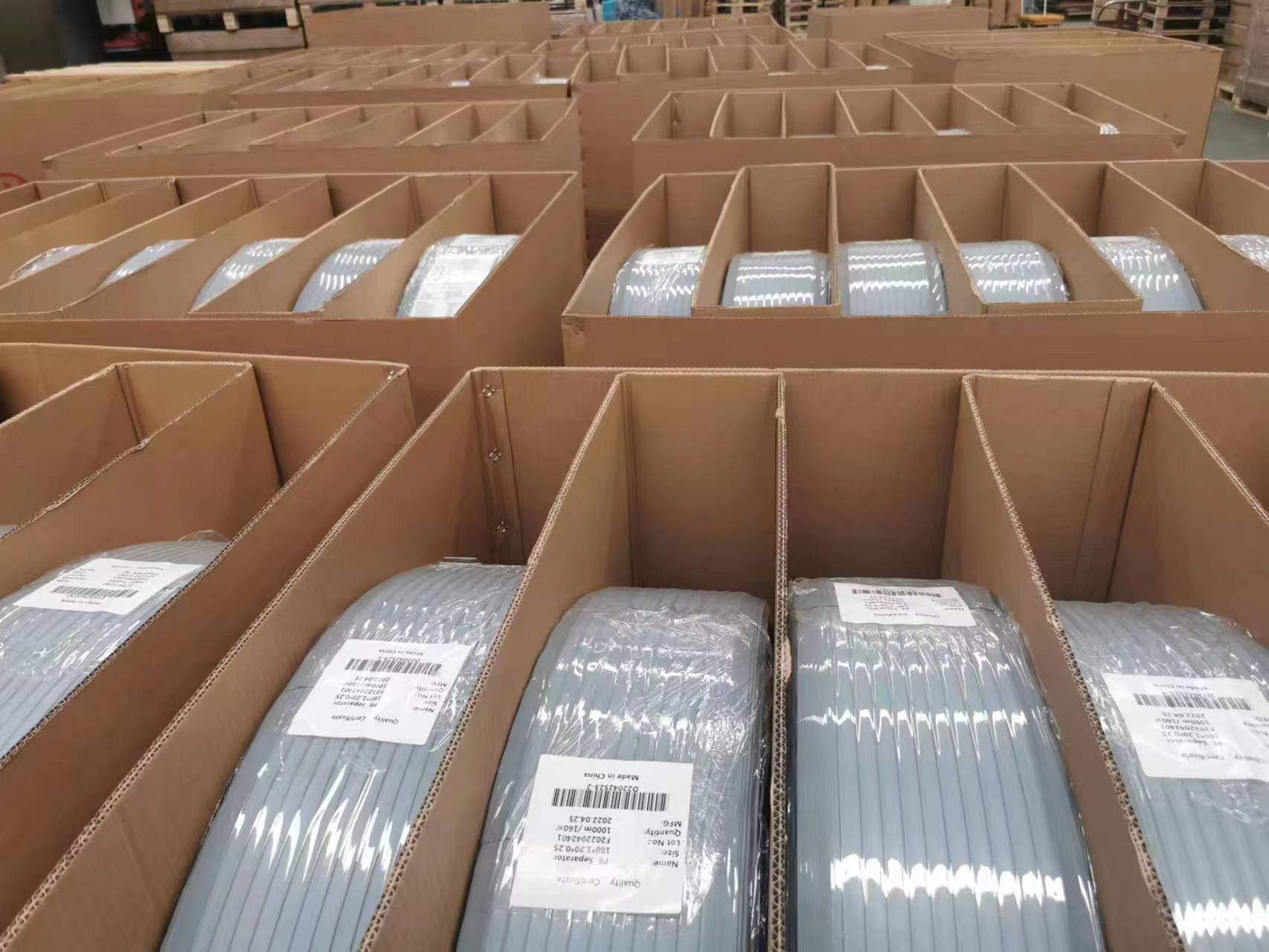
We don't sell the cheapest separators. We don't sell the most expensive either. We sell separators that ship consistently, hold batch-to-batch stability, and have traceability when something goes wrong. If a customer asks for the cheapest option, we tell him: we can make that grade, but we have to relax a few parameters. If he accepts that, we supply it. If not, we quote a different product. We don't make the decision for our customers. But we make sure they know what they're deciding.
Separators are a small part of battery cost. But they have a big influence on the final product.
Battery life, self-discharge, charge acceptance, cycle performance — all of these depend on the separator. Saving a few cents on the separator, then spending more on warranty claims, just doesn't add up. Most people know this. Not everyone acts on it.
-
 Yang Du Senior Engineer | Storage Battery Expert
✓ 28 years of experience in storage-battery separators
✓ Expert in PE separator production and testing
✓ Senior Manager at CTMT
✓ B.Eng. in Chemical Engineering, Hebei University of Technology
✓ Managed PE separator cooperation projects with Exide, Enersys, JCI
-
 Hong Chen Standardization Expert | Youth Entrepreneurship Tutor
✓ Vice Chairman, China Physical Chemistry Power Industry Association
✓ Zhejiang "Ten Thousand Talents" Leading Talent
✓ 80+ national patents / 20+ monographs
✓ Contributed to 10+ international & national standards
✓ National Sci-Tech Progress Award (3rd prize) -
 Xianzhang Wu Senior Engineer | Energy Storage Expert
✓ Vice Chairman, China Physical Chemistry Power Industry Association
✓ Zhejiang "Ten Thousand Talents" Leading Talent
✓ 80+ national patents / 20+ monographs
✓ Contributed to 10+ international & national standards
✓ National Sci-Tech Progress Award (3rd prize) -
 Guangjun Zang Senior Engineer | Lead-Acid Battery Expert
✓ 35 years in lead acid battery industry
✓ Expert in battery materials, design and engineering
✓ Technical Project Leader for NT AGM VRLA batteries
✓ Specializes in tubular battery R&D and quality control
✓ Supplies technical support to domestic battery manufacturers
-
 Fang Liu Senior Manager | Bilingual Expert
✓ 23 years of in-depth experience in English translation
✓ Master's in TESOL, University of South Australia
✓ Skilled in cross-border client communication & technical translation
✓ Former senior teacher & US visiting scholar
✓ Experienced in employee management and team building
-
 Wei Shan


